Category: Medications - Page 3
Learn how to use FDA databases to verify if your medications are real and avoid dangerous counterfeit drugs. Step-by-step guide for patients and caregivers.
Read More
Australia's PBS makes prescription medicines affordable through government subsidies. Generics drive down costs, but delays and co-payments still leave many struggling. Learn how the system works and who it helps-or leaves behind.
Read More
Corticosteroid-induced hyperglycemia is a common, often overlooked side effect of steroid therapy. Learn how it develops, who's at risk, and how to monitor and manage blood sugar effectively to avoid serious complications.
Read More
Learn how to talk to your doctor and pharmacist about prescription costs before filling a medication. Avoid surprise bills, find cheaper alternatives, and use tools like GoodRx and Medicare Plan Finder to save money.
Read More
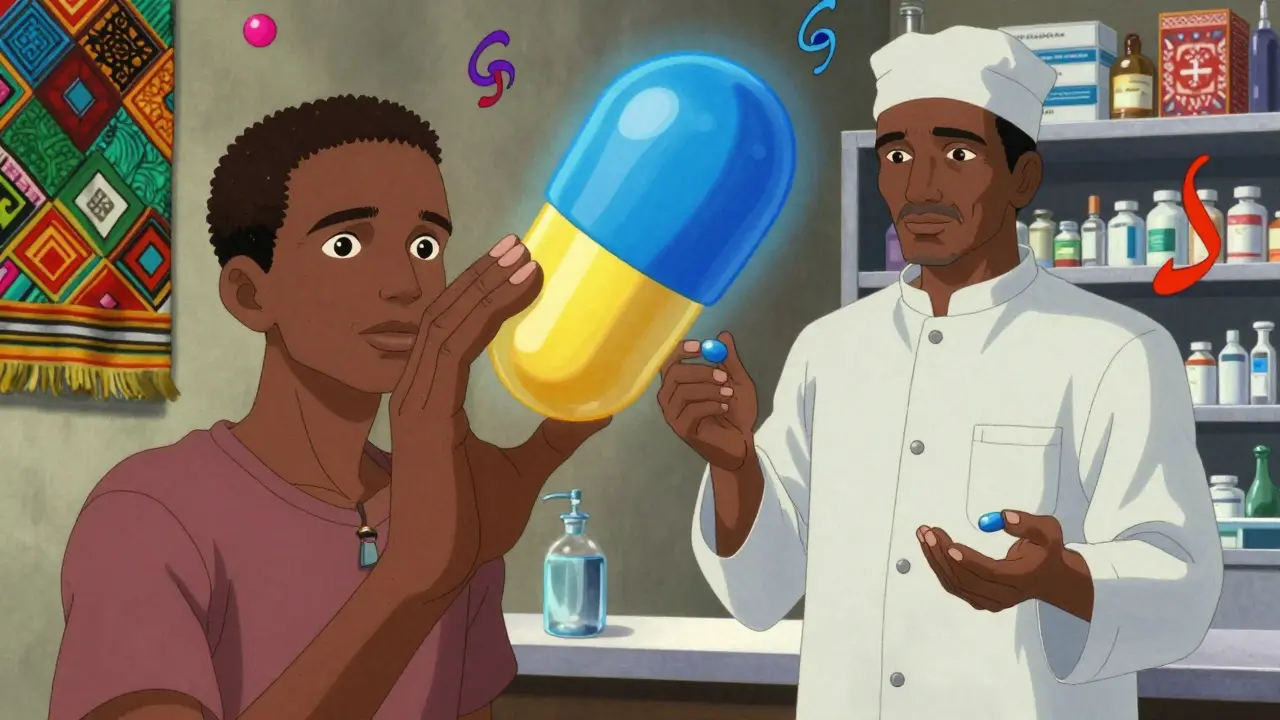
Cultural beliefs, religious restrictions, and perceptions of pill appearance significantly impact how patients accept generic medications. Understanding these factors is key to improving adherence and health equity.
Read More
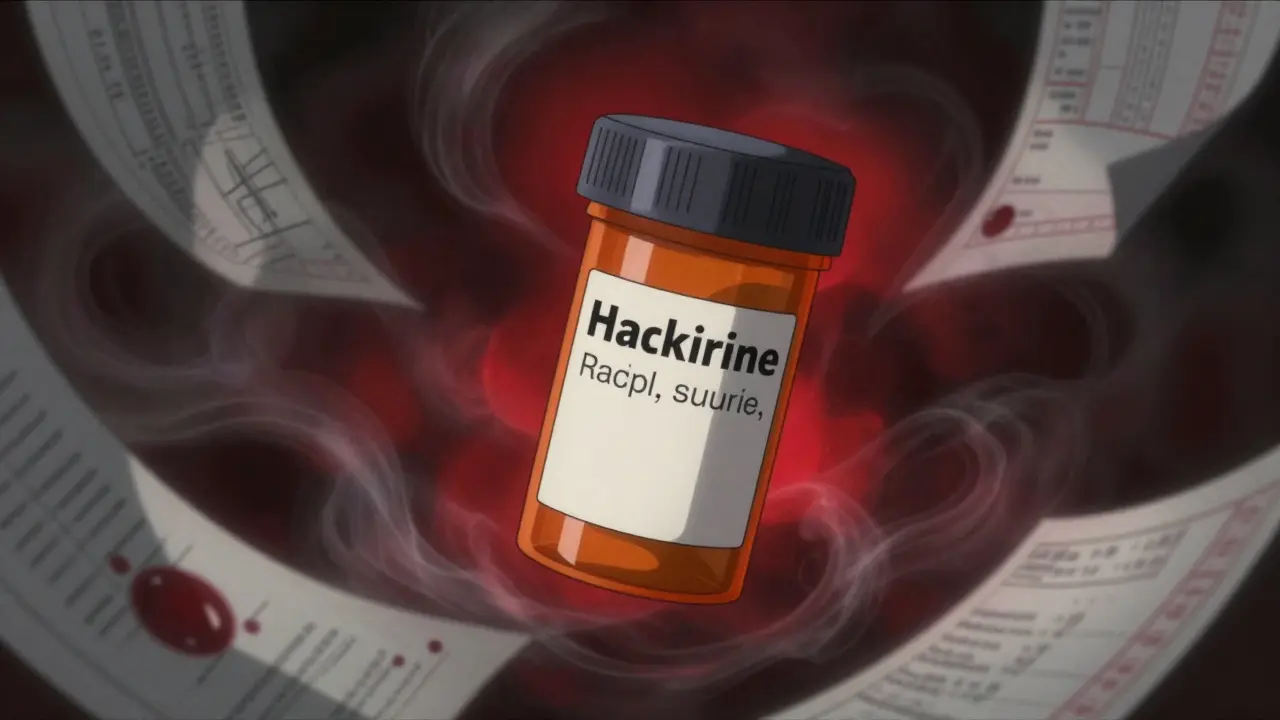
Black box warnings are the FDA's strongest safety alerts for prescription drugs, signaling serious or life-threatening risks. Learn what they mean, how they work, and what you should do if your medication has one.
Read More
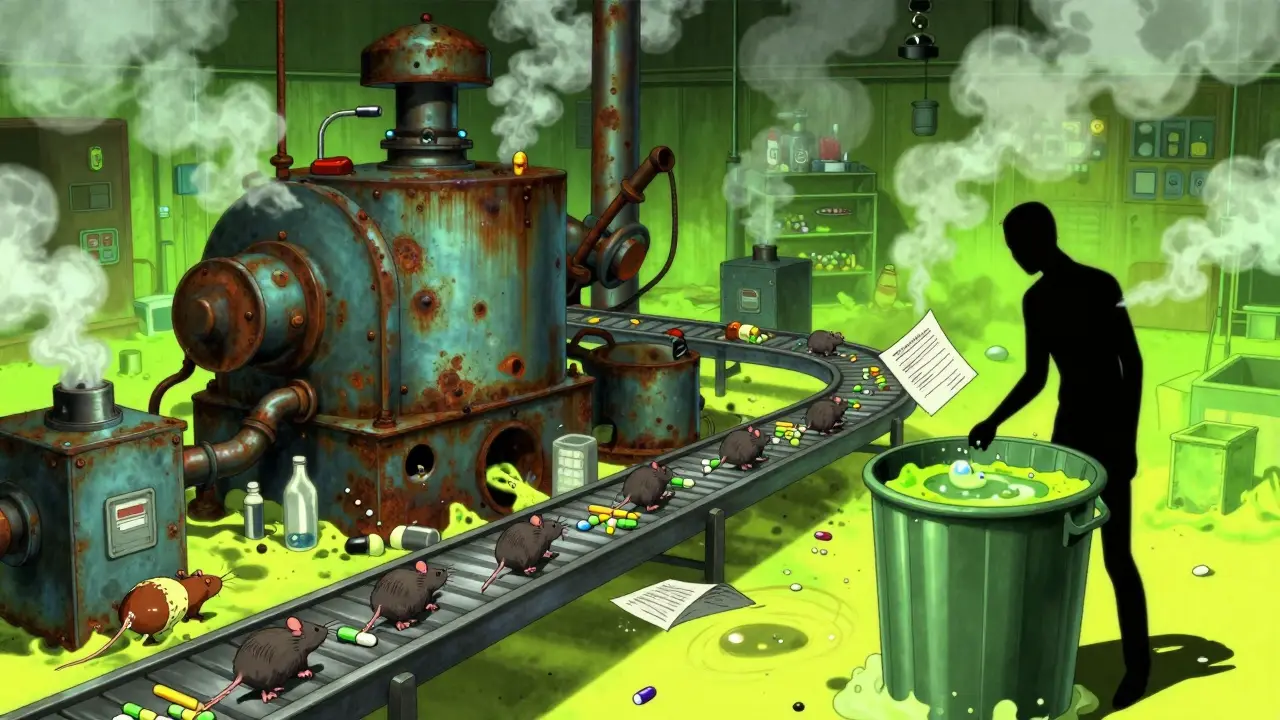
Generic drug quality issues stem from unsafe manufacturing practices overseas, leading to impurities, inconsistent dosing, and dangerous side effects. Learn how FDA inspections fail, why some generics don't work, and what you can do to protect yourself.
Read More
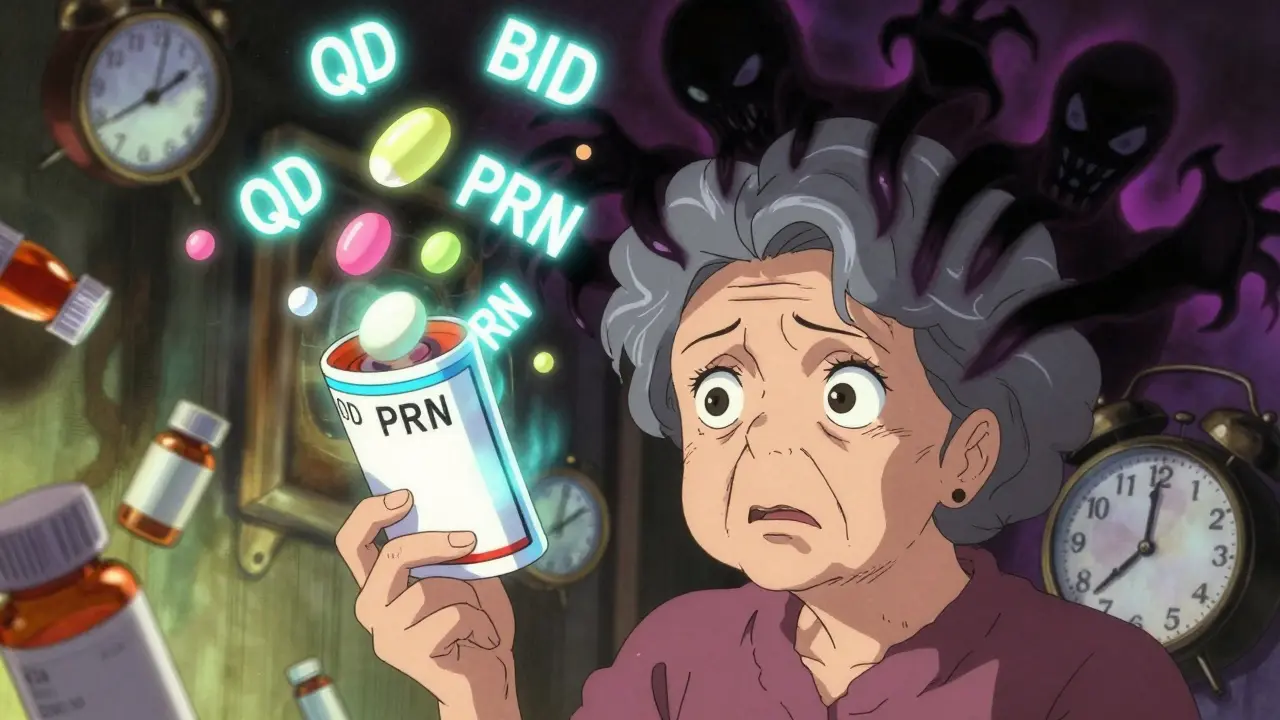
Confusing medication instructions can lead to dangerous mistakes. Learn how to ask the right questions, decode common abbreviations, and ensure you’re taking your drugs safely - every time.
Read More
Many common medications pose serious risks for seniors. Learn which drugs to review with your doctor, safer alternatives, and how to prevent dangerous side effects like falls, confusion, and hospitalizations.
Read More
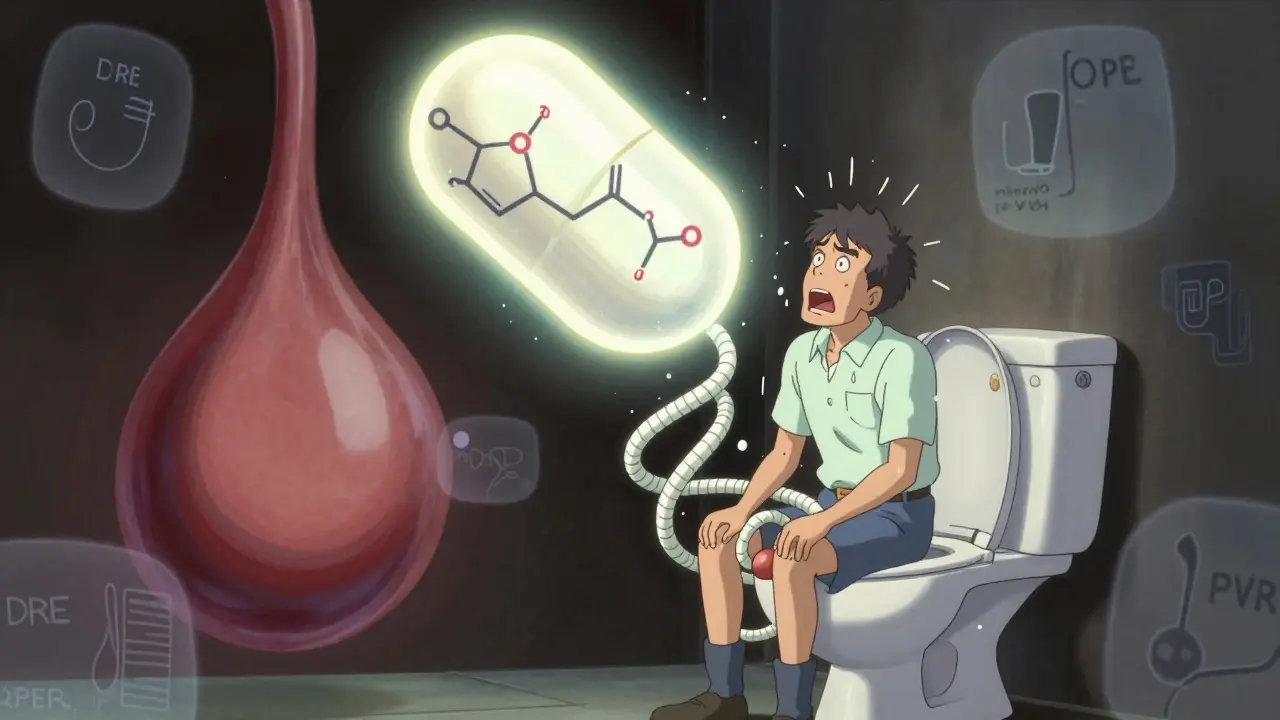
Anticholinergics for overactive bladder can cause dangerous urinary retention in men with prostate enlargement. Learn why these drugs are risky, what safer alternatives exist, and how to avoid a medical emergency.
Read More