Category: Medications - Page 2

Corticosteroid tapering safely reduces steroid doses to prevent withdrawal symptoms. Learn evidence-based protocols, symptom management strategies, and real-world patient insights. Essential for avoiding adrenal insufficiency and disease flares during treatment.
Read More
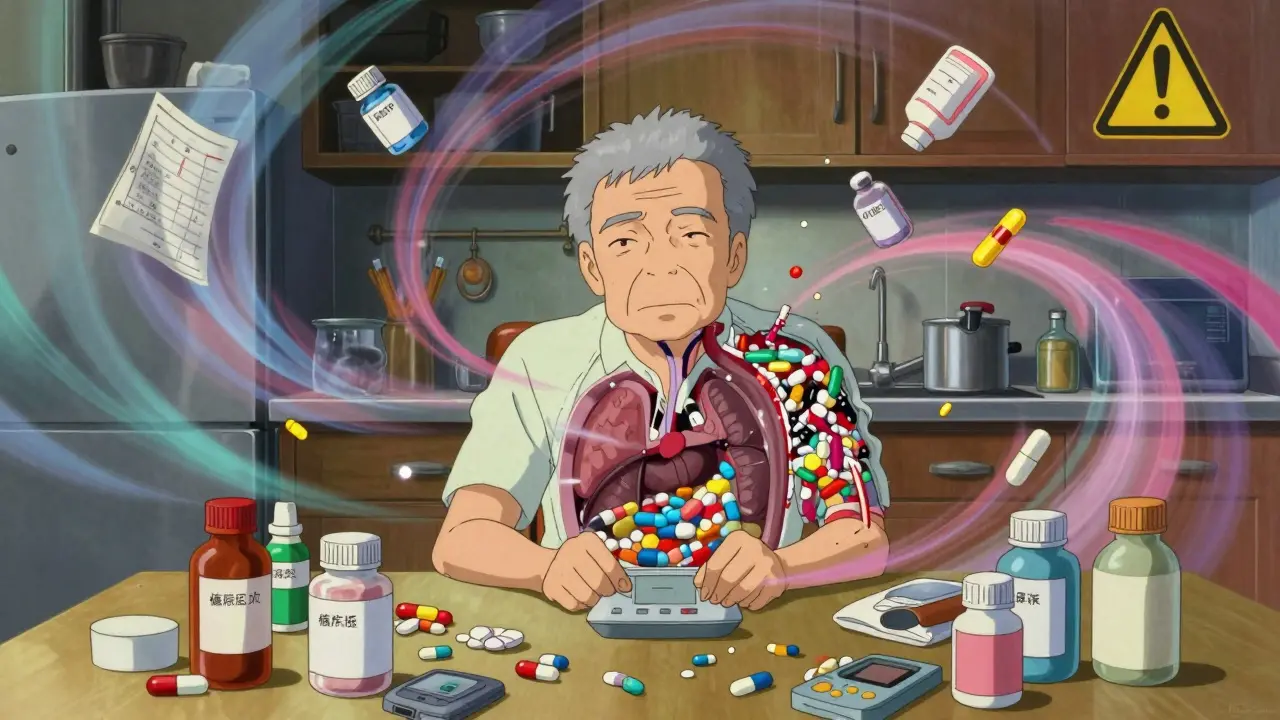
Polypharmacy in older adults increases risks of falls, hospitalizations, and drug interactions. Learn how deprescribing - the safe reduction of unnecessary medications - can improve health and quality of life for seniors.
Read More
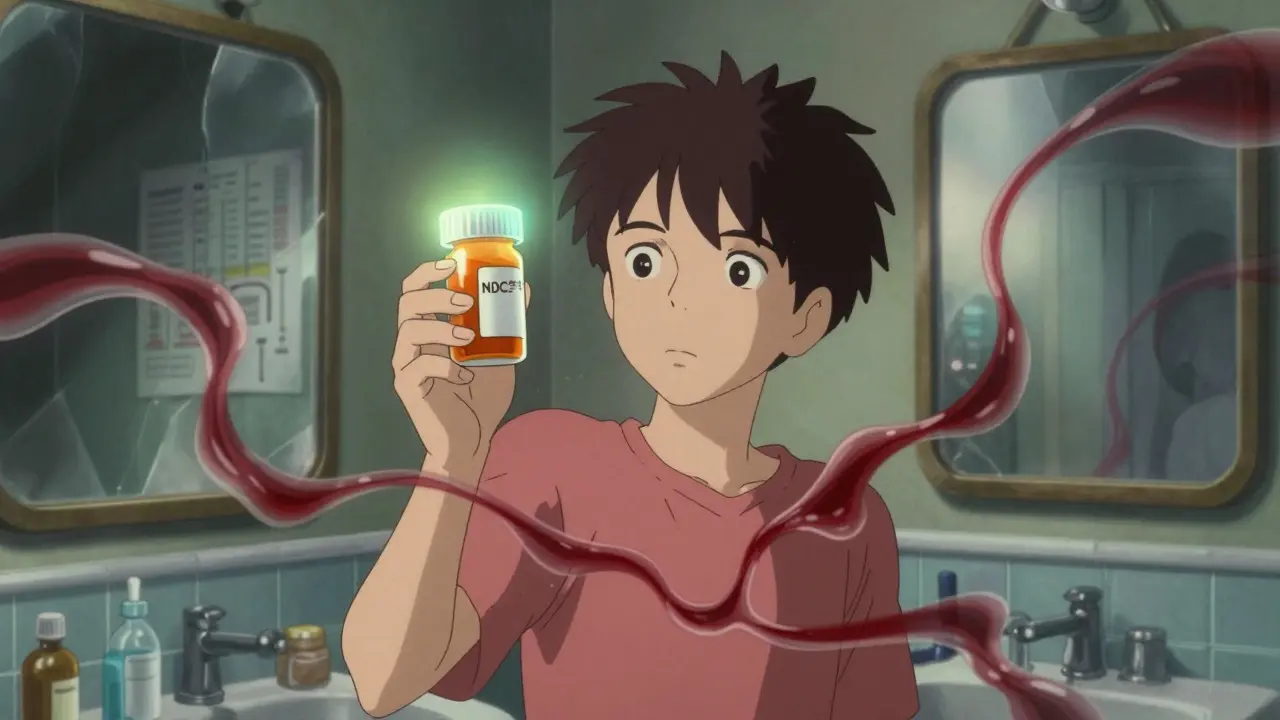
Switching to generic medications is safe for most people, but some need to monitor their health closely. Learn which drugs require extra attention, what symptoms to watch for, and how to track your response after the switch.
Read More
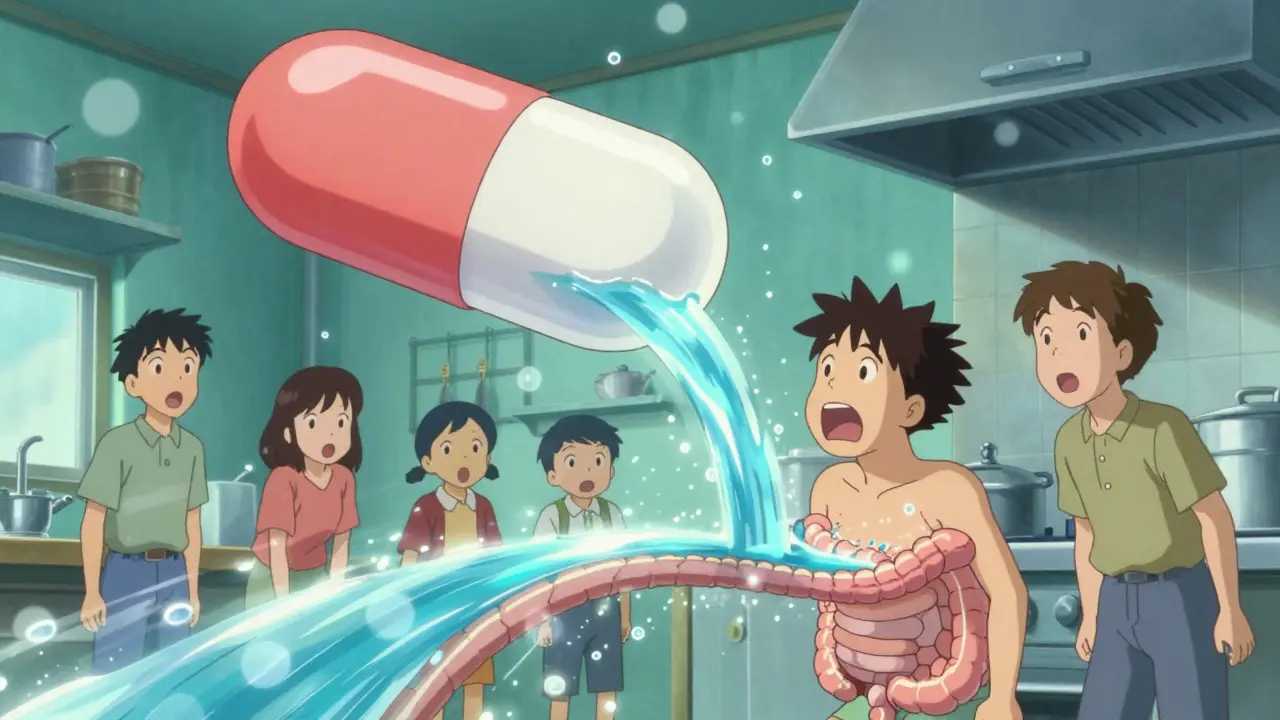
Learn which OTC constipation remedies actually work-fiber, MiraLax, Dulcolax, and more. Discover what doctors recommend, what users report, and which ones to avoid for safe, lasting relief.
Read More
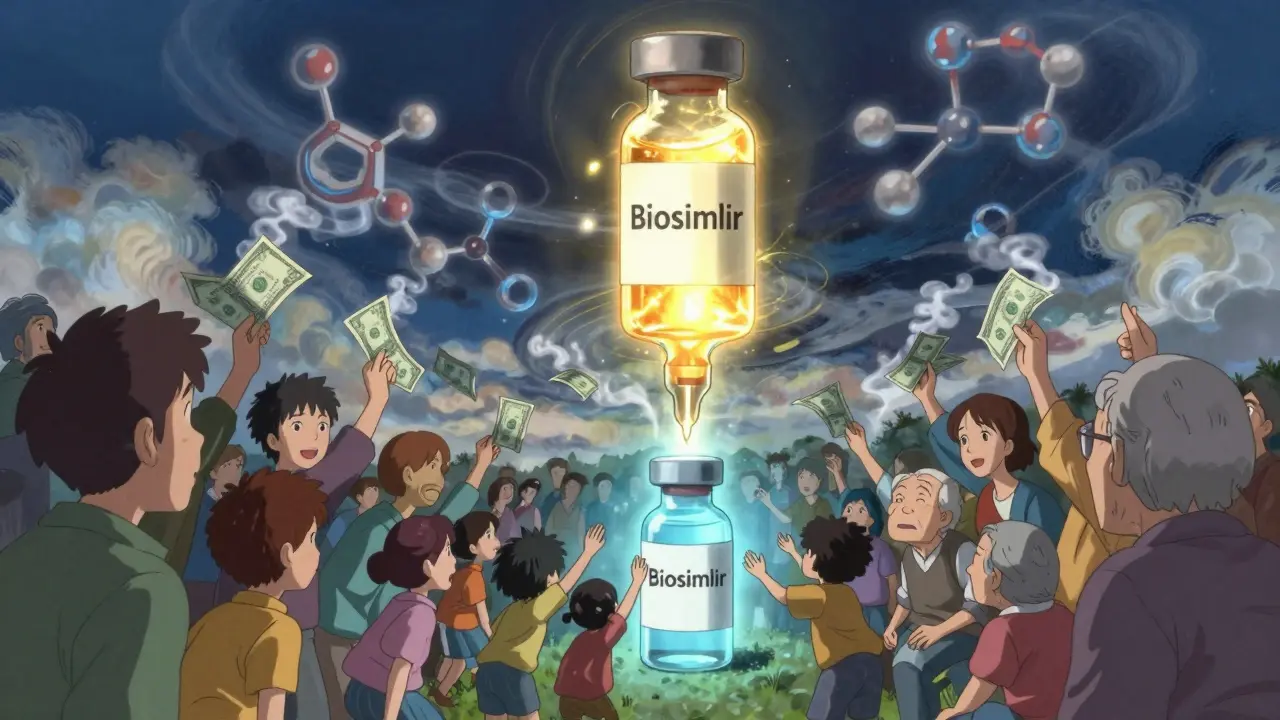
Insulin biosimilars offer safe, cost-effective alternatives to branded insulin, with savings of 15-70%. Learn how they work, which ones are available, and why adoption is slow despite proven effectiveness.
Read More
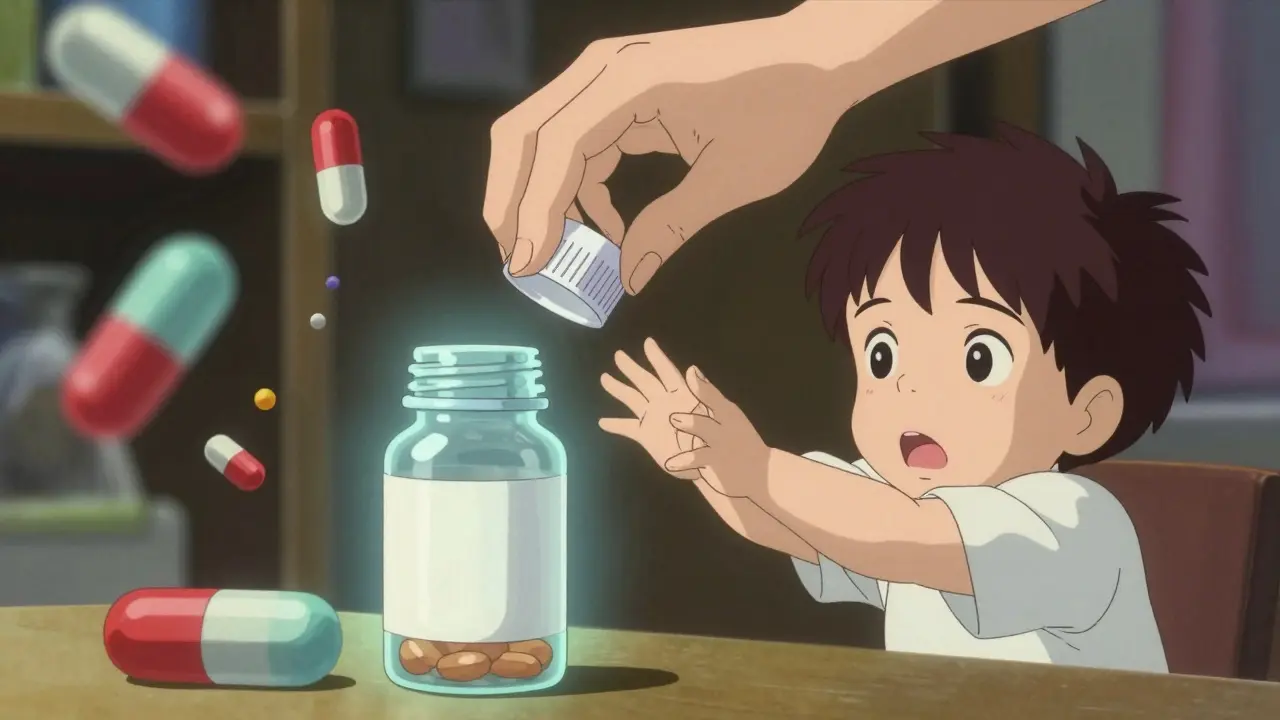
Child-resistant packaging has saved hundreds of thousands of children since the 1970s by making medicine bottles harder for kids to open. Learn how these caps work, which medications require them, why seniors struggle, and what you can do to keep meds safe.
Read More
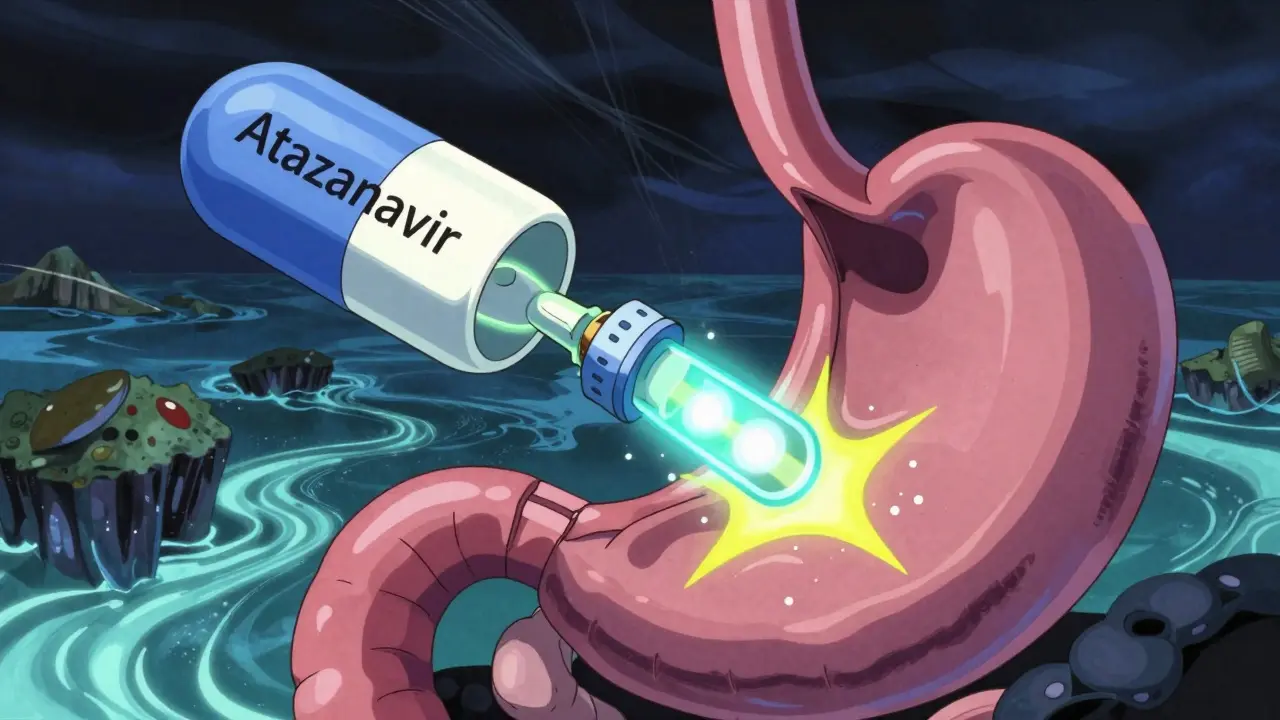
Acid-reducing medications like PPIs and H2 blockers can drastically reduce the absorption of key drugs like atazanavir and dasatinib, leading to treatment failure. Learn which medications are at risk and how to protect your health.
Read More
Medication Guides are FDA-mandated handouts that explain serious risks of certain prescription drugs in plain language. They're required for about 150 high-risk medications and can prevent life-threatening side effects-if you read them.
Read More
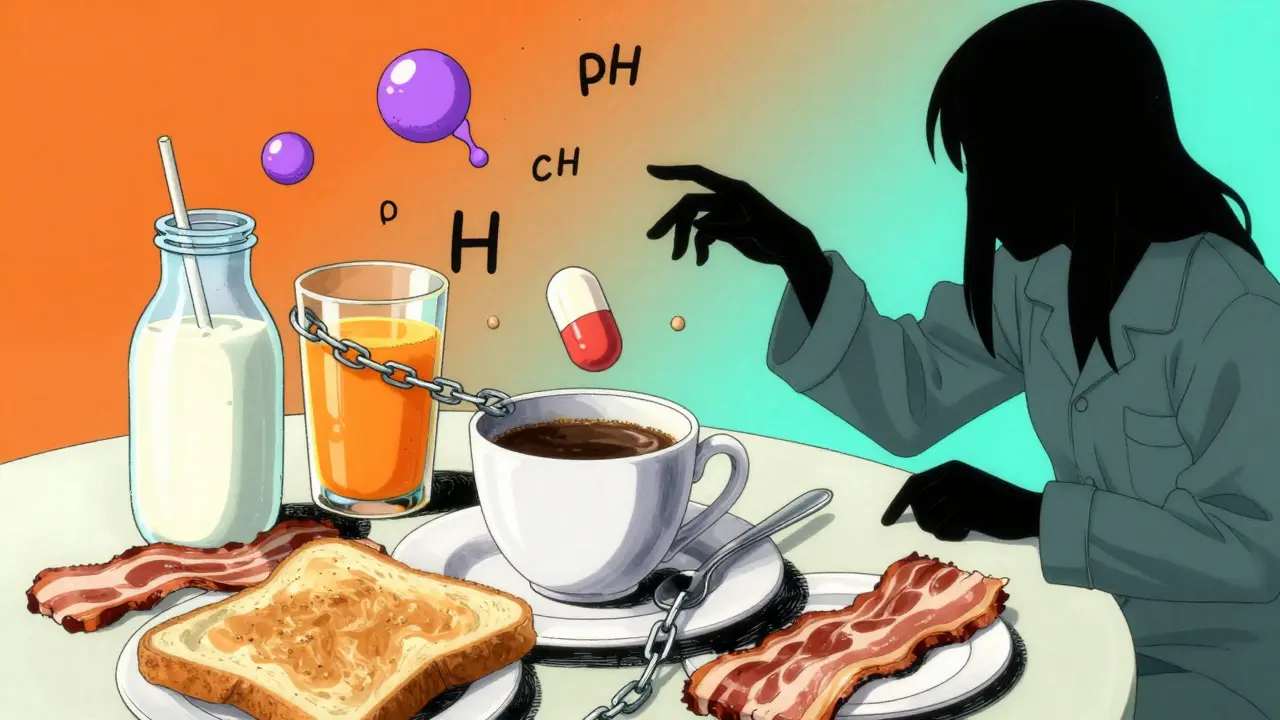
Taking your medication with or without food can make it work better-or fail completely. Learn which drugs need an empty stomach, which need food, and how to avoid dangerous mistakes.
Read More

Learn how to read your medication guide to spot overdose warnings and find antidotes before it's too late. Simple steps to save a life - no medical degree needed.
Read More