
Most people never open the small paper insert that comes with their prescription. It’s tucked away in the box, ignored until something goes wrong. But that little guide holds critical information - especially when it comes to overdose risks and what to do if it happens. You don’t need to be a pharmacist to understand it. You just need to know where to look.
Start with the Boxed Warning
The most important part of any medication guide is the Boxed Warning. It’s the only section the FDA requires to be printed in a bold, black border at the top of the prescribing information. If your medicine has one, it means there’s a serious risk - possibly life-threatening - if used incorrectly. For opioids like oxycodone or fentanyl patches, this section will clearly state risks like respiratory depression, accidental overdose in children, or death when mixed with alcohol or benzodiazepines. Don’t skip this. It’s not filler. It’s a red flag.
Find the Overdosage Section
Scroll down until you see a section titled Overdosage. This isn’t buried in fine print - it’s a standard heading in every FDA-approved medication guide. Here, you’ll find three things: the typical overdose amount, the symptoms to watch for, and the antidote. For example, with acetaminophen (Tylenol), the guide will say overdose starts at 7.5-10 grams in adults. Symptoms include nausea, vomiting, sweating, and later, jaundice or liver failure. The antidote? N-acetylcysteine (NAC). With benzodiazepines like diazepam, overdose symptoms include extreme drowsiness, confusion, slurred speech, and loss of coordination. The antidote? Flumazenil.
Some guides even list how the antidote is given - IV, injection, or oral. If you’re caring for someone on long-term pain medication, write this down. Keep it on your phone. You won’t remember it in a crisis.
Look for Contraindications and Warnings
Under Contraindications, you’ll see what conditions or medications make the drug unsafe. For instance, if you have severe liver disease, your guide might say: “Do not use this medication.” That’s not a suggestion. It’s a rule. Under Warnings and Precautions, you’ll find details like: “Risk of overdose increases when combined with alcohol or sleep aids.” Or: “Patients with history of substance use disorder may be at higher risk.” These aren’t vague warnings. They’re specific red flags tied to your personal health history.
If you’re taking more than one prescription, cross-check these sections. Many overdoses happen because someone didn’t realize their painkiller and anxiety medication both depress breathing. The guide will tell you - if you read it.
Understand the Symptoms - Not Just the Numbers
Medication guides don’t just list numbers. They describe what overdose looks like in real time. For opioids, it’s not just “too much.” It’s: “Unresponsive to voice or touch,” “Slow or shallow breathing,” “Fingernails or lips turning blue,” “Pinpoint pupils.” For stimulants like Adderall, it’s: “Rapid heartbeat,” “High body temperature,” “Seizures,” “Hallucinations.” These aren’t medical jargon. They’re signs anyone can spot.
Think of it like a checklist. If someone takes too much and shows two or more of these symptoms, assume overdose. Don’t wait. Call emergency services. Don’t rely on gut feeling. The guide gives you the facts. Use them.
Locate the Antidote - And Know Where to Get It
Not every drug has an antidote. But many do - and the guide will tell you. Naloxone (Narcan) reverses opioid overdoses. Flumazenil reverses benzodiazepine overdoses. N-acetylcysteine reverses acetaminophen toxicity. The guide will list the antidote by its generic name. But here’s the key: it won’t tell you where to buy it. That’s your job.
In Australia, naloxone is available over the counter at pharmacies without a prescription. You can ask for it by name. Keep it in your bag, your car, your medicine cabinet. If someone you know takes opioids, make sure they have access to it too. The guide tells you what works. You make sure it’s there when needed.
Don’t Rely on Memory - Write It Down
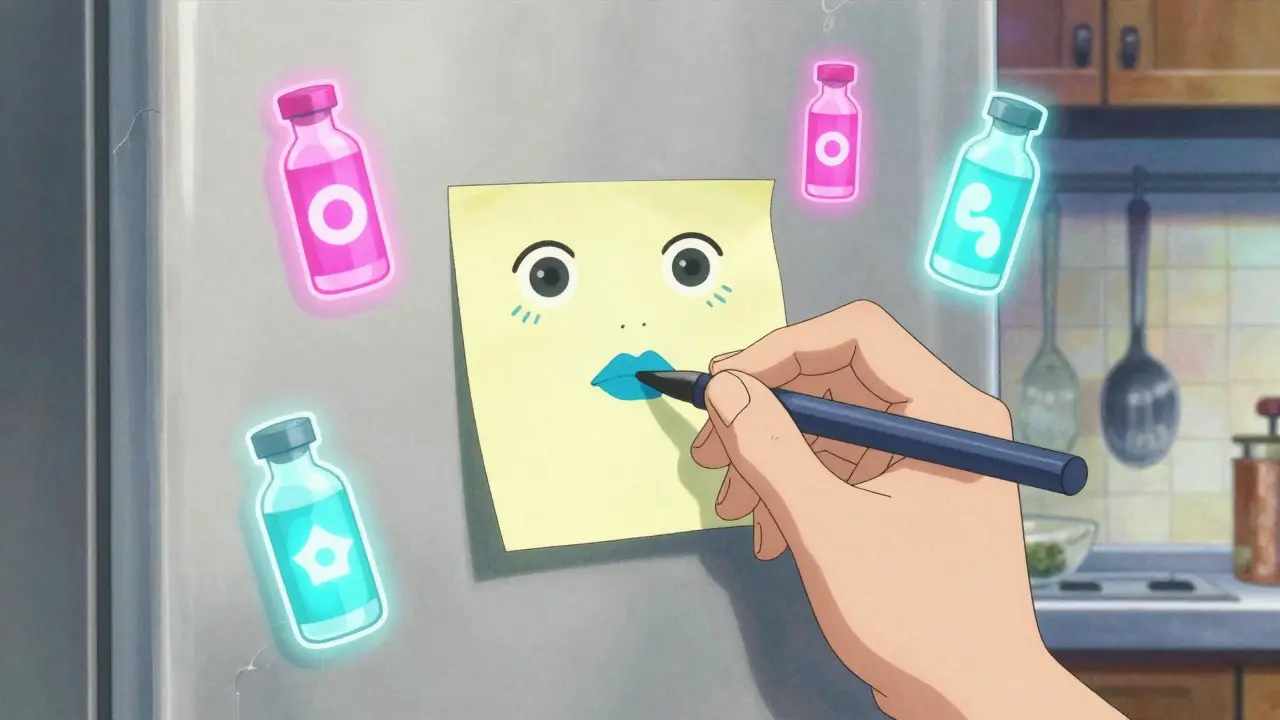
Medication guides change. New warnings get added. Antidotes get updated. You can’t memorize them. But you can summarize them. Take five minutes after you get a new prescription. Write on a sticky note:
- Medication name and dose
- Overdose amount (if listed)
- Key symptoms to watch for
- Antidote name and how to get it
- Emergency number to call
Put it on the fridge. Save it in your phone notes. Share it with family. This isn’t extra work - it’s insurance.
Ask Your Pharmacist - Don’t Assume
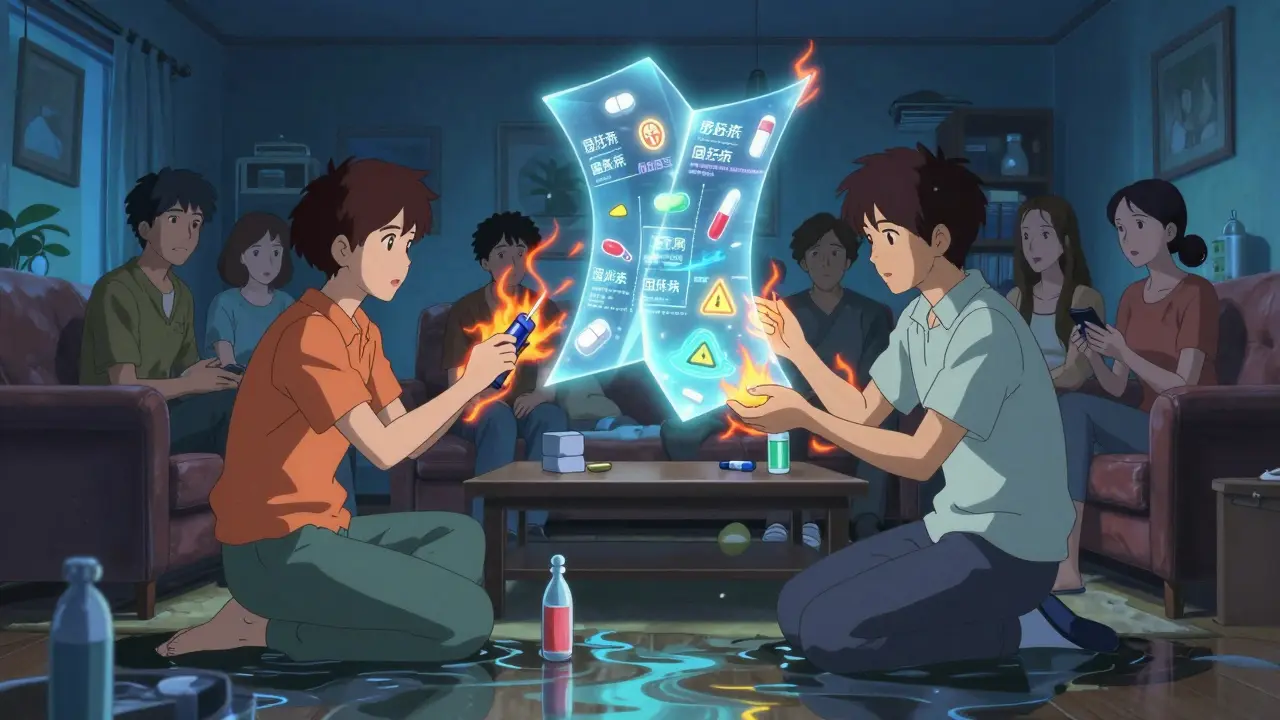
Pharmacists are trained to explain these guides. If you’re confused, ask. Say: “Can you point out the overdose warning and antidote in this guide?” Most will pull it up on screen or highlight it for you. Don’t feel silly. This is exactly why they’re there. If they don’t know, ask for the clinical pharmacist. They handle complex drug interactions.
And if your guide doesn’t mention an antidote? That doesn’t mean there isn’t one. Some drugs - like certain antidepressants - have antidotes that aren’t listed because they’re not first-line treatments. In those cases, emergency responders will know what to use. But you still need to know the symptoms.
What If You’re Not the Patient?
If you’re helping someone else - a parent, partner, or friend - get the guide. Read it together. Make sure they know how to spot the signs. If they’re on opioids, make sure naloxone is in the house. Teach them to use it. Practice with a trainer device. Overdose doesn’t wait for perfect timing. Your preparation could be the difference between life and death.
When in Doubt, Call Emergency Services
No guide replaces professional help. If you suspect an overdose - even if you’re not sure - call 000. Don’t wait for symptoms to get worse. Don’t try to “sleep it off.” Overdose is a medical emergency. The guide gives you the tools to act fast. Use them.
Medication guides aren’t paperwork. They’re lifelines. The information is there. You just have to look.
What should I do if I can’t find the overdose section in my medication guide?
If you can’t find the Overdosage section, the guide may be outdated or incomplete. Check the manufacturer’s website for the most current prescribing information. You can also ask your pharmacist for the official FDA-approved version. If your medication is older or generic, the guide might be simplified - but the risk information is still required by law. Never assume it’s not there. Always confirm.
Can I rely on online sources instead of the medication guide?
No. Online sources like WebMD or health blogs are not regulated. They may be outdated, incomplete, or wrong. The medication guide is the only document legally required to be accurate, updated, and approved by health authorities. Always use the guide that came with your prescription as your primary source. Use online info only to double-check, never to replace.
Are antidotes always available at pharmacies?
Not all antidotes are available over the counter. Naloxone is - and it’s free in many Australian pharmacies under the Naloxone Access Program. But others, like flumazenil or N-acetylcysteine, require a prescription or hospital administration. The guide tells you the name. You need to find out how to access it. Ask your pharmacist or doctor. Don’t wait until it’s an emergency.
What if I take my medication exactly as prescribed - can I still overdose?
Yes. Overdose isn’t always about taking too many pills. It can happen if you mix medications, if your body changes (like liver function declining with age), or if you drink alcohol. Some guides list this under “Warnings.” For example, even one extra drink with a sleep aid can turn a safe dose into a dangerous one. Always read the full warnings - not just the dosage instructions.
Do generic drugs have the same overdose warnings as brand names?
Yes. By law, generic drugs must have identical active ingredients, dosage, safety profile, and warnings as their brand-name counterparts. The guide might look different, but the overdose information is the same. Always check the active ingredient - not the brand name. If you switch from one brand to a generic, re-read the guide. Don’t assume it’s unchanged.
Nishant Garg
January 17, 2026 AT 08:40Man, I never thought about reading those little inserts until my cousin overdosed on oxycodone. Turned out the guide had the exact symptoms and said naloxone was the antidote - we didn’t know where to get it. Now I keep Narcan in my glovebox. Seriously, if you’re on anything with a boxed warning, stop ignoring it. It’s not paperwork. It’s your lifeline.
Amy Ehinger
January 17, 2026 AT 13:22I’m a nurse and I can’t tell you how many times families come in panicking because they didn’t read the guide. One guy thought his mom’s pain meds were fine because ‘she’s always taken them.’ Then she mixed them with melatonin. Boom. ER. The guide says it right there - ‘avoid CNS depressants.’ It’s not complicated. Just read it. Please.
Sarah Mailloux
January 18, 2026 AT 14:25Just printed out the overdose section of my dad’s new pain med guide and taped it to the fridge. Also saved it in my phone notes. Took me five minutes. Could save his life. Why do we wait until it’s too late?
Ayush Pareek
January 19, 2026 AT 05:09My mom’s on gabapentin and I read the guide last week - turns out mixing it with alcohol increases overdose risk by 300%. We used to have wine with dinner. Now we don’t. Small change. Huge difference. This isn’t fear-mongering. It’s just common sense. Read the damn guide.
Frank Geurts
January 19, 2026 AT 11:08It is imperative to note, with the utmost gravity, that the FDA-mandated Boxed Warning is not a suggestion, nor is it a mere formality - it is a legally binding, clinically validated, life-or-death imperative. Failure to heed this warning constitutes a gross negligence of personal and familial responsibility. One must consult the prescribing information with the diligence of a forensic auditor.
RUTH DE OLIVEIRA ALVES
January 19, 2026 AT 22:56Generic drugs must contain the same active ingredients, dosage, and safety warnings as brand-name versions - this is not a suggestion, it is federal law. If you switch from brand to generic and assume the guide is different, you’re putting yourself at risk. Always verify the active ingredient - not the brand name. Knowledge is protection.
Nat Young
January 20, 2026 AT 02:37Everyone’s acting like this is some revolutionary tip. Newsflash: the FDA has required these guides since 1998. People just don’t read them because they’re lazy or think they’re ‘too smart’ to need it. Meanwhile, ERs are full of people who ‘knew what they were doing.’ Spoiler: they didn’t.
Nilesh Khedekar
January 21, 2026 AT 10:01Oh wow, so you’re telling me that if I read the tiny print I might not die? Shocking. Next you’ll tell me that drinking bleach is bad. Also, why do these guides always say ‘call emergency services’ but never say ‘here’s how to use naloxone’? Are we supposed to Google it during a crisis? Brilliant.
Nicholas Urmaza
January 22, 2026 AT 17:50Stop waiting for someone else to save you. If you or someone you love is on opioids, get naloxone. Now. Don’t wait for a warning. Don’t wait for an emergency. You don’t need permission. You need action. Pharmacies in every state can give it to you. Walk in. Ask. Save a life.
Jami Reynolds
January 23, 2026 AT 17:06Have you considered that these guides might be intentionally vague to protect pharmaceutical profits? Naloxone is available OTC, but flumazenil isn’t - even though it’s cheaper and safer than ICU stays. Coincidence? Or is the system designed to keep you dependent on hospitals? Read between the lines.
Arjun Seth
January 24, 2026 AT 08:54People are so weak. They don’t read the guide because they’re too lazy to think for themselves. You think your doctor knows everything? He’s paid by the system. The guide is truth. The doctor is bureaucracy. Choose wisely. Your life is not a game.
Annie Choi
January 25, 2026 AT 14:25As a paramedic, I’ve seen 12 overdoses this month. Nine of them were preventable. Families didn’t know the antidote, didn’t know the symptoms, didn’t even know the drug name. The guide has all of it. Stop outsourcing your safety. Read it. Print it. Share it. It’s not extra work - it’s your duty.
Mike Berrange
January 26, 2026 AT 22:12You’re telling people to read the guide but not telling them how to get the actual FDA version if their pharmacy gave them a crappy printout. Also, most guides are written in 10-point font with zero line spacing. Good luck reading that on a phone. This advice is great… if you can actually read it.
Crystel Ann
January 28, 2026 AT 03:11Thank you for saying this. I printed mine on a bigger font and laminated it. My mom keeps it next to her pills. I used to feel silly for doing it - now I feel like a hero. This stuff matters. Don’t be embarrassed to prepare. It’s love in action.