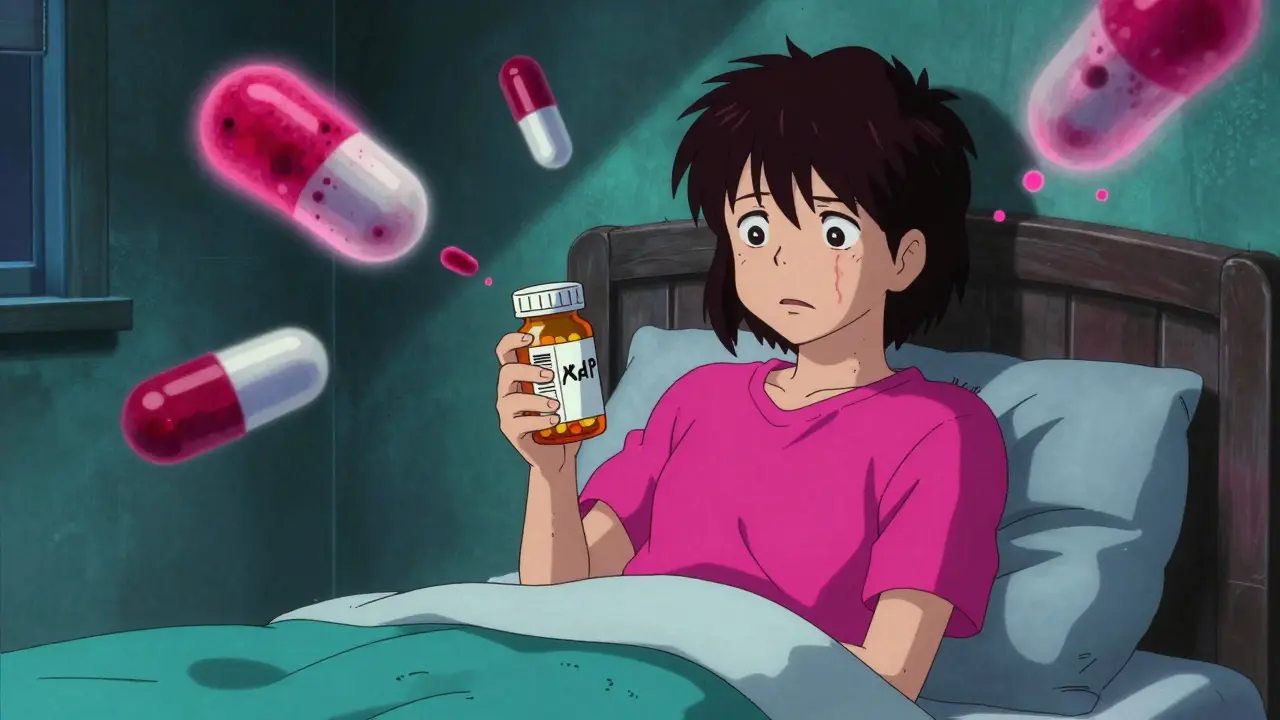
It happens more often than you think. You take your pill, and something feels off. Maybe the tablet looks different. Maybe you were given the wrong dose. Or maybe you started feeling dizzy, nauseous, or broke out in a rash after starting a new medication. You’re not imagining it. You’re not overreacting. And you must report it - not just for your own safety, but to protect others.
Medication errors are one of the leading causes of preventable harm in healthcare. In the U.S. alone, over 1.3 million people are injured every year because of mistakes with prescriptions, dosages, or administration. Many of these errors go unreported - not because people don’t care, but because they don’t know how. This guide walks you through exactly what to do, step by step, whether you’re a patient, a caregiver, or a parent reporting for a child.
Recognize the Error First
You can’t report what you don’t notice. Medication errors come in many forms:
- Wrong drug (you were given amoxicillin instead of azithromycin)
- Wrong dose (you got 50 mg instead of 5 mg)
- Wrong route (a pill meant to be swallowed was given as a suppository)
- Wrong patient (your medication was given to someone else)
- Wrong timing (you were given your morning dose at night)
- Drug interaction (a new medication clashed with one you’re already taking)
- Incorrect labeling (the bottle says 10 mg, but the pill inside is 25 mg)
Don’t wait for a crisis. If something feels off - even if it’s minor - trust your gut. A headache after a new blood pressure med? A rash after starting an antibiotic? A child acting unusually sleepy after school medication? These aren’t normal side effects. They’re red flags.
Gather the Facts - Don’t Rely on Memory
When you report a medication error, details matter. Vague statements like “I think I got the wrong pill” won’t help. You need evidence.
Here’s what to collect right away:
- The medication container - keep the original bottle or packaging. Labels show the prescribed dose, name, and pharmacy info.
- Photographs of the pill, label, or any visible reaction (rash, swelling, bruising).
- A symptom log: Write down when symptoms started, how they changed, and how severe they were (on a scale of 1-10).
- Medical records: Request your prescription history from your provider or pharmacy. You’re legally entitled to this under HIPAA.
- Names of people involved: Who prescribed it? Who dispensed it? Who gave it to you or your child?
This takes 15-30 minutes. Do it while everything is fresh. Don’t wait until your next appointment.
Start With Your Provider - But Don’t Stop There
Your first stop should be your doctor, nurse, or pharmacist. Call or visit their office. Say clearly: “I believe I experienced a medication error, and I’m concerned about my safety.”
Be specific:
- “I was prescribed 5 mg of lisinopril, but the pill I received was labeled 20 mg.”
- “My daughter was given 10 mL of ibuprofen at school, but the prescription said 5 mL.”
- “I started taking metformin and developed severe diarrhea the next day - I’ve never had this before.”
Ask for a written acknowledgment. If they dismiss you, say: “I’m not asking for blame. I’m asking for answers. I want to make sure this doesn’t happen to someone else.”
Studies show that when patients report clearly and with evidence, providers respond faster. One Healthgrades review found that submitting a MedWatch report with a photo of the wrong label triggered an FDA recall within 3 business days.
Know Your Reporting Options
There are three main ways to report a medication error. Each serves a different purpose.
1. Internal Reporting (Through Your Provider or Pharmacy)
This is the fastest way to fix the problem locally. Most clinics and hospitals have internal incident reporting systems. They’re designed to catch mistakes before they hurt others.
But here’s the catch: many providers fear blame. If you’re met with silence or defensiveness, don’t take it personally. Push for a formal written response. Ask: “Will this be documented in your safety system?”
2. FDA MedWatch Program
This is the national system for reporting serious medication errors and side effects. It’s run by the U.S. Food and Drug Administration. You don’t need to be a doctor to report. Anyone can file a MedWatch form - patients, families, caregivers.
As of 2023, the FDA updated its online portal. It now takes under 9 minutes to complete, down from 25 minutes. You’ll need:
- Patient’s age and gender
- Medication name and dose
- How the error occurred
- Reaction or outcome
- Any other medications being taken
Submit it at fda.gov/medwatch. Even if you’re unsure if it’s serious, report it. The FDA receives about 140,000 reports a year - but experts say less than 1% of actual errors are reported. Your report could trigger a recall or safety alert.
3. Institute for Safe Medication Practices (ISMP)
ISMP runs a confidential, non-punitive reporting system focused on learning, not blame. They’ve helped create over 200 safety improvements since 1991.
They’re especially good for reporting system flaws - like confusing drug names, poor labeling, or pharmacy workflow errors. You can report anonymously. They respond with safety alerts that go out to hospitals and pharmacies nationwide.
Visit ismp.org to submit a report.
Special Cases: Schools and Care Facilities
If the error happened at school, daycare, or a nursing home, you have additional rights.
In U.S. schools, 48 states require staff to report medication errors within 24 hours. Parents have the right to:
- Receive a written incident report
- See the school’s medication administration policy
- Request a meeting to discuss prevention steps
Many parents report being ignored. If you don’t get a response within 5 business days, contact your school district’s health services office. If it’s a nursing home, file a complaint with your state’s long-term care ombudsman program.
What Happens After You Report?
Most people expect an apology or immediate fix. That doesn’t always happen - and that’s frustrating.
Here’s what you can realistically expect:
- Within 1-3 days: Your provider should acknowledge your report and check your condition.
- Within 1-2 weeks: You may get a follow-up call or letter explaining what went wrong and how they’re fixing it.
- For MedWatch reports: You’ll rarely hear back directly. But if your report helps identify a pattern (like a batch of mislabeled pills), the FDA will issue a public alert.
- For ISMP reports: You might get a thank-you note and a link to a safety alert they published based on your report.
Don’t wait for a response to feel like you did the right thing. Reporting isn’t about getting a reply - it’s about stopping the next error.
Common Obstacles - And How to Overcome Them
Many people don’t report because they’re afraid they’ll be blamed, ignored, or labeled as “difficult.” Here’s how to handle the most common roadblocks:
“It’s probably just a coincidence.”
Not likely. Medication reactions happen quickly. If symptoms started within hours of taking a new drug, it’s connected. Trust your body.
“They’ll think I’m overreacting.”
Studies show 82% of patients feel their concerns are dismissed at first. But those who report with documentation - photos, labels, logs - are taken seriously 3x more often.
“I don’t want to get someone in trouble.”
Good. You shouldn’t. Reporting isn’t about punishment. It’s about fixing systems. Experts like Dr. Robert Wachter say the best safety cultures separate blame from learning. Your report helps make care safer - not meaner.
“I waited too long.”
It’s never too late. Even if the error happened months ago, report it. Patterns matter. One report might seem small. Ten reports about the same drug? That’s a red flag the FDA can’t ignore.
Why This Matters More Than You Think
Medication errors aren’t just about one person. They’re a system failure. A mislabeled pill in one pharmacy can reach hundreds. A dosing mistake in a school can happen again next week - to another child.
When you report, you’re not just protecting yourself. You’re helping hospitals redesign their workflows. You’re pushing pharmacies to use barcode scanning. You’re making schools train staff better.
Organizations that act on reports see up to 75% fewer repeat errors. That’s not theory - it’s data from the Agency for Healthcare Research and Quality.
And the future is getting better. By 2025, all electronic health records will be required to include built-in error reporting tools. That means fewer lost reports. Faster fixes.
But that future only happens if people speak up.
What to Do Next
Here’s your simple action plan:
- Stop. Don’t take any more of the medication until you’ve spoken to someone.
- Gather the bottle, labels, and symptoms.
- Call your provider and say: “I need to report a medication error.”
- If you don’t get a clear response within 48 hours, file a MedWatch report at fda.gov/medwatch.
- Keep a copy of everything - your notes, emails, reports.
You don’t need permission to protect your health. You don’t need to be an expert. You just need to speak up.
One report won’t fix everything. But thousands of reports? That’s how systems change.
What if I’m not sure if it was really an error?
If you’re unsure, report it anyway. Medication errors often look like side effects at first. The FDA and ISMP are designed to sort out what’s a true error versus a known reaction. Better to report and have it ruled out than to stay silent and risk someone else being harmed.
Can I report a medication error anonymously?
Yes - but only through ISMP or MedWatch. Your provider’s internal system will likely need your name to follow up on your care. If you’re worried about retaliation, use ISMP’s confidential reporting form. They don’t require personal details and don’t share reports with your provider unless you ask them to.
How long do I have to report a medication error?
There’s no strict deadline for patients. But the sooner you report, the better. Evidence fades. Memory gets fuzzy. Pharmacies may recycle bottles. Hospitals may close incident logs after 90 days. File your report within a week if you can. Even reports from months ago can help identify patterns.
Will reporting get me in trouble?
No - unless you’re the one who made the error. If you’re a patient or caregiver reporting a mistake made by a provider, pharmacist, or school staff, you’re protected. In fact, experts say reporting is a patient right. The American Nurses Association and FDA both encourage it. Fear of blame is common, but it’s based on outdated culture - not policy.
What if my provider refuses to acknowledge the error?
Get your medical records immediately - you’re legally entitled to them within 30 days. Then file a report with the FDA or ISMP. If the error was serious (hospitalization, ER visit, permanent harm), contact your state’s department of health. They investigate complaints against providers. Don’t give up. Persistence saves lives.
shivam utkresth
January 26, 2026 AT 20:59Bro, I just got back from my aunt’s pharmacy in Delhi - same damn thing happened. She was given metformin in a bottle labeled for insulin. No one blinked. I took a pic, showed the pharmacist, and he just shrugged like it was tea time. This post? Lifesaver. Gonna send it to every family member who’s on meds now.
Aurelie L.
January 28, 2026 AT 04:42My GP told me my rash was ‘just stress.’ I sent the bottle photo. They called me back in 47 minutes. Turns out it was a batch recall. Don’t wait. Just send the pic.
SWAPNIL SIDAM
January 29, 2026 AT 21:59Man, I saw this in my cousin’s school. Kid got double dose of ADHD med. Teacher didn’t even know. School said ‘oops’ and moved on. I told them to report it. They said ‘don’t make trouble.’ Guess what? I reported it to ISMP. Anonymous. No names. Just facts. Now they’re training all staff. Small act. Big change.
Geoff Miskinis
January 31, 2026 AT 09:49Let’s be real - the FDA’s MedWatch portal is a glorified feedback form. 140k reports a year? That’s 0.001% of actual errors. The real issue is systemic negligence masked as ‘patient responsibility.’ You think a mom with three kids and no car is going to photograph pill bottles? This is performative safety. The system doesn’t want your report - it wants you to feel heard while it keeps doing the same thing.
eric fert
February 1, 2026 AT 22:55Okay, so let me get this straight - we’re supposed to trust the same people who gave us 30 different prescriptions for anxiety while ignoring our blood pressure spikes? And now you want us to ‘trust the system’ by filing a form? Let me tell you something - I had a friend die because the pharmacy swapped his anticoagulant with a placebo. He was 28. They said ‘it was a rare error.’ It wasn’t rare. It was systemic. And now you’re telling me to send a photo of the bottle like it’s a Yelp review? I’m not here to ‘help the system.’ I’m here to make sure no one else gets buried because someone didn’t double-check a label. So yeah, I reported it. And no, I don’t care if the FDA never replies. I care that the next person doesn’t have to die because they trusted the wrong person with their pills.
Shawn Raja
February 3, 2026 AT 02:24Y’all think reporting is about getting an apology? Nah. It’s about turning your pain into a public service announcement. Every time you report, you’re not just saving yourself - you’re giving the next person a fighting chance. I used to think ‘it’s not my problem’ until my niece got the wrong seizure med. Now I carry a little card in my wallet that says: ‘If you feel weird after a pill - take a pic. Call your doc. File MedWatch. Do it now.’ You think you’re being dramatic? Nah. You’re being the hero the system forgot to train.
Ryan W
February 4, 2026 AT 10:27As a former military medic, I can tell you: this post is dangerously oversimplified. You can’t just ‘take a photo’ and expect results. You need chain-of-custody documentation, HIPAA-compliant redaction, and a formal incident report submitted via the National Healthcare Safety Network (NHSN) portal - not MedWatch, which is for voluntary adverse events, not systemic errors. Also, ISMP? That’s a nonprofit with zero regulatory teeth. You’re wasting your time unless you escalate to the state board of pharmacy. And stop using emoticons - this isn’t TikTok.
Allie Lehto
February 4, 2026 AT 18:51OMG I’m crying rn 😭 I just reported my mom’s error after 6 months and I feel so guilty for waiting… but now I’m proud of myself!! 🙌 You’re right, we don’t need permission to speak up!! 💪 I sent the pic and the log and the pharmacy called me back!! I think I’m a hero now?? 🤓❤️