
When we talk about pharmacovigilance is the science and activities relating to the detection, assessment, understanding and prevention of adverse effects or any other drug-related problem, we are talking about the world's early warning system for medicine. The goal isn't just to list side effects, but to constantly weigh the benefits of a drug against its risks to keep patients safe throughout the entire life of a product.
The Backbone of Global Monitoring: WHO and VigiBase
The global effort is led by the WHO Programme for International Drug Monitoring (PIDM), which started back in 1968. To manage the mountain of data, the WHO relies on the Uppsala Monitoring Centre (UMC) in Sweden. The UMC manages VigiBase, a massive global database of individual case safety reports. By July 2023, VigiBase held over 35 million reports from more than 170 countries. That's a staggering 700% increase since 2012, showing that we're getting much better at reporting and tracking drug issues.
But how does the data stay consistent? If a doctor in Japan reports a "rash" and a nurse in Brazil reports "skin irritation," the system needs to know they mean the same thing. This is where MedDRA (Medical Dictionary for Regulatory Activities) comes in. It's a standardized medical terminology used globally so that every adverse event is categorized using the same specific terms, regardless of the language spoken in the clinic.
Regional Powerhouses: EU and US Systems
While the WHO provides the global umbrella, regional systems often have more "teeth" to enforce rules. In Europe, EudraVigilance is the heavy hitter. Unlike the WHO's voluntary network, the EU system is backed by law. Under Regulation (EC) No 726/2004, pharmaceutical companies are legally required to report certain events within 15 days. This leads to incredible speed; about 92% of safety signals in the EU are assessed within 75 days.
Across the Atlantic, the FDA Adverse Event Reporting System (FAERS) handles about 2 million reports a year. While FAERS is an independent beast, it still feeds data into VigiBase to help the global community. The main difference is that the US and EU systems often act as regulatory hammers-they can pull a drug from the market or force a label change-whereas the WHO system acts more like a global radar for signal detection.
| Feature | WHO PIDM (VigiBase) | EU (EudraVigilance) | US (FAERS) |
|---|---|---|---|
| Primary Goal | Global Signal Detection | Regulatory Compliance | Market Safety Oversight |
| Authority | Voluntary/Collaborative | Legally Binding | Federal Regulatory |
| Scope | 170+ Countries | EU Member States | United States |
| Reporting Speed | Variable | Very High (15-day mandate) | High |

The Gap Between Wealthy and Developing Nations
Here is the uncomfortable truth: our global safety net has holes. High-income countries make up only 16% of the world's population but contribute 85% of all reports to VigiBase. For example, Sweden might report 1,200 adverse events per 100,000 people annually, while Nigeria might only report 2.3. This isn't because Nigerians don't have drug reactions; it's because they lack the infrastructure to report them.
Many low-income countries are still at "Level 1" maturity, meaning they have no formal system in place. Funding is a huge hurdle. In some African nations, the pharmacovigilance budget is as low as $0.02 per person, compared to $1.20 in wealthier nations. We also see a training gap; in Southeast Asia, nearly 68% of safety officers have had less than 15 hours of formal training, well below the WHO's recommended 40 hours.
There is a silver lining, though. Tools like the Pharmacovigilance Monitoring System (PViMS) are changing the game. In Ethiopia, implementing this web-based reporting tool slashed the time it took to report an event from 90 days down to just 14. When we digitize the process, the data flows faster, and patients get protected sooner.
Real-World Impact: Why This Matters
Why spend billions on these systems? Because they save lives in ways that a single clinical trial never could. Take the case of the Dengvaxia vaccine. It was through reports coming out of the Philippines in 2017 that the global community identified an increased risk of dengue hemorrhagic fever in people who had never had dengue before. Without a functioning reporting system, that risk might have spread globally before anyone noticed the pattern.
We're also seeing a shift toward "active surveillance." Instead of waiting for a doctor to send a report (spontaneous reporting), the EU is now using electronic health records for 150 million patients. This proactive approach has improved the sensitivity of signal detection by 37%. It's the difference between waiting for a fire alarm to go off and having a smoke detector in every room.
The Future: AI and Standardized ID
The next big leap is happening right now with Artificial Intelligence. The UMC has already started using AI-assisted signal detection, which has reduced false positives by 28%. This means experts spend less time chasing ghosts and more time investigating real threats.
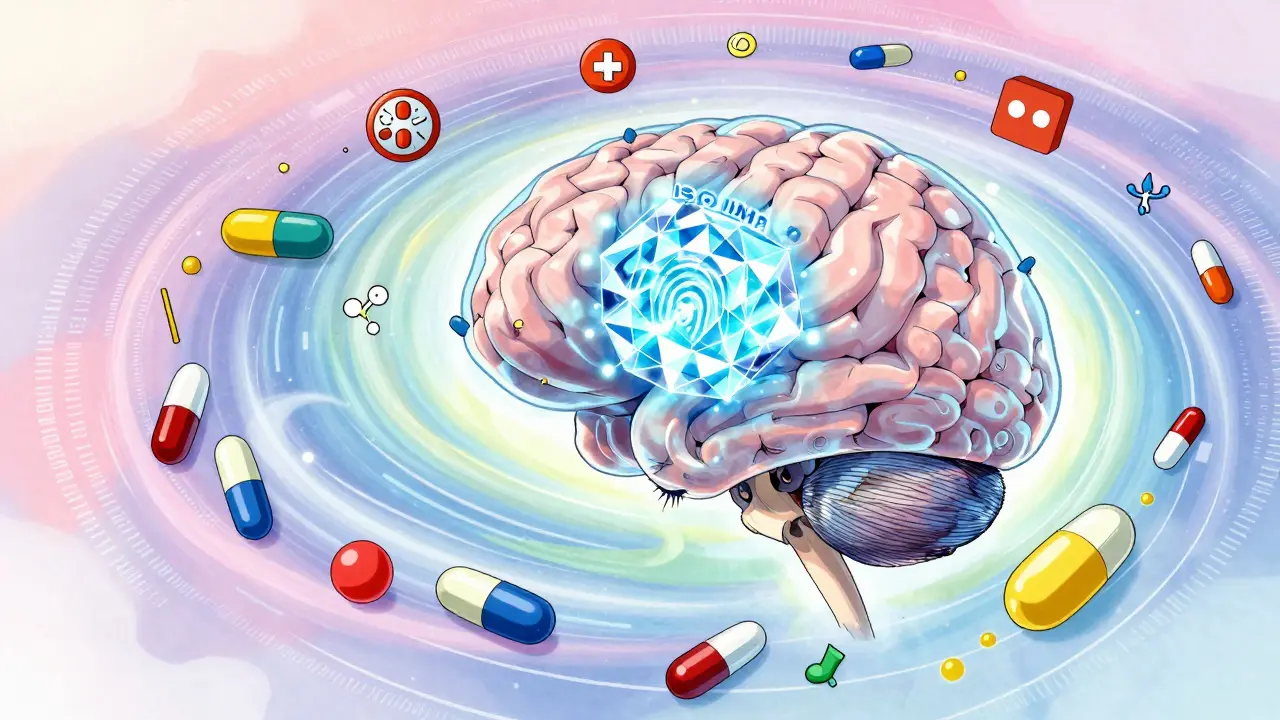
By 2025, the world is moving toward ISO IDMP (Identification of Medicinal Products). Currently, the same drug might be called three different things in three different countries. IDMP will create a universal "fingerprint" for every medication. This should make cross-border data matching about 40% more accurate, effectively removing the language barrier from drug safety.
What is the difference between a side effect and an adverse drug reaction (ADR)?
A side effect is a known, predictable effect of a drug (like drowsiness with antihistamines). An adverse drug reaction (ADR) is an unintended, harmful response at normal doses, which may be previously unknown and is the primary focus of pharmacovigilance monitoring.
Can the general public access drug safety data?
Yes. The WHO launched VigiAccess in 2015, allowing anyone to search for anonymized reports from VigiBase. This promotes transparency and allows patients and doctors to see reported patterns of adverse events globally.
Why are some countries better at reporting than others?
It usually comes down to three things: funding, legislation, and technology. Wealthier nations have legally mandated reporting, dedicated budgets, and electronic systems (like the UK's Yellow Card app), while lower-income nations often rely on paper systems or donor-funded programs with limited staff training.
How does a "signal" lead to a drug being recalled?
A signal is a reported pattern of events that suggests a new risk. Once a signal is detected in VigiBase or EudraVigilance, regulatory bodies like the FDA or EMA conduct a causality assessment. If the evidence shows the drug is the likely cause and the risk outweighs the benefit, they may update the warning label or pull the drug from the market.
What is MedDRA and why is it necessary?
MedDRA is a standardized medical dictionary. It's necessary because medical terms vary by language and region. By using a single, shared vocabulary of over 78,000 terms, safety monitors can ensure that a report from Japan is perfectly understood by an analyst in Sweden.
Next Steps for Improving Safety
If you are a healthcare provider, the best thing you can do is report every single suspected adverse reaction, even if you aren't 100% sure the drug caused it. The systems are designed to find patterns in the "maybe" reports.
For policymakers in developing regions, the priority should be moving toward electronic reporting tools like PViMS and investing in the WHO-recommended 40 hours of specialized training for safety officers. Reducing the gap in reporting is the only way to ensure that a patient in Lagos is as safe as a patient in London.
Danielle Kelley
April 5, 2026 AT 18:45Of course they want us to believe in these "global nets" while the big pharma companies probably pay off the people running VigiBase to ignore the real signals until it's too late. Just look at how many drugs get pulled years later after thousands are already hurt, and they call it a "signal detection" process? Please. It's just a way to cover their tracks and pretend they're monitoring things while they keep pushing these chemicals on us for profit. The gap between wealthy and poor nations isn't just about infrastructure, it's about who they can afford to keep quiet and which populations they use as guinea pigs for the latest trial before it hits the US market. This whole system is a facade to make us feel safe while they play god with our health. Don't trust the "standardized terminology" either, it's just a way to sanitize the horror stories into medical jargon so the public doesn't panic when they see the data. Absolute joke.
Christopher Cooper
April 5, 2026 AT 18:55The implementation of IDMP by 2025 sounds like a massive step forward for data integrity. It's fascinating how much a simple naming convention can hinder global health outcomes. If we can truly eliminate the language barrier and the discrepancy in drug naming, the speed of causality assessment will likely skyrocket.
Jitesh Mohun
April 5, 2026 AT 21:15stupid that 85 percent of reports come from only 16 percent of the population. total failure of global health infrastructure. why are we still using paper in this day and age in some places. it is a disgrace
Michael Flückiger
April 7, 2026 AT 13:30This is just so amazing!!! We really need to push for more funding in those Level 1 countries!!!! It is simply unacceptable that a child in Lagos doesn't have the same safety net as someone in London!!!! Let's get this moving!!!!
Jay Vernon
April 9, 2026 AT 06:46Wow, this is really cool info! 🚀👍
dwight koyner
April 9, 2026 AT 18:54From a professional standpoint, the shift toward active surveillance via electronic health records is the most critical transition mentioned here. Spontaneous reporting has always suffered from significant under-reporting bias, as many clinicians simply do not have the time or incentive to file a report for every suspected ADR. By analyzing structured data across millions of patients, we can identify signals that are statistically significant even if they are clinically subtle. This proactive approach significantly reduces the time between the first occurrence of a rare side effect and the subsequent regulatory action, effectively narrowing the window of risk for the general population.
Alexander Idle
April 10, 2026 AT 10:05Imagine the sheer audacity of thinking a database in Sweden can save the world while we're all just lab rats in a giant corporate experiment. It's honestly hilarious how formal they make it sound with their "MedDRA" and "VigiBase" buzzwords. Like, okay, cool, you have a fancy dictionary, but I'm still seeing the same garbage drugs on the shelves. The drama of these regulatory bodies pretending to be "hammers" is just peak comedy. Truly a masterpiece of bureaucratic theater.
Sarabjeet Singh
April 11, 2026 AT 03:21It is encouraging to see the progress in Ethiopia with the PViMS tool. Digital transformation is the key to bridging the gap for developing nations.
Jamar Taylor
April 12, 2026 AT 20:36We've got this! Just keep reporting those reactions, guys. Every single report helps make the world a bit safer for everyone. Let's keep the momentum going on this!
shelley wales
April 14, 2026 AT 11:39It's so heartening to know that there's a system trying to protect the most vulnerable people in the world. Hopefully, the training gap in Southeast Asia gets closed soon so those safety officers can really do their jobs.
charles mcbride
April 16, 2026 AT 00:30The use of AI to reduce false positives by 28% is a very impressive achievement in the field of pharmacology.
Ruth Swansburg
April 16, 2026 AT 08:47Every life saved is a victory. We must support these global initiatives.
Stephen Luce
April 17, 2026 AT 07:27I can only imagine how stressful it is for doctors in those low-income regions trying to keep patients safe without any real tools. It's a tough spot to be in.