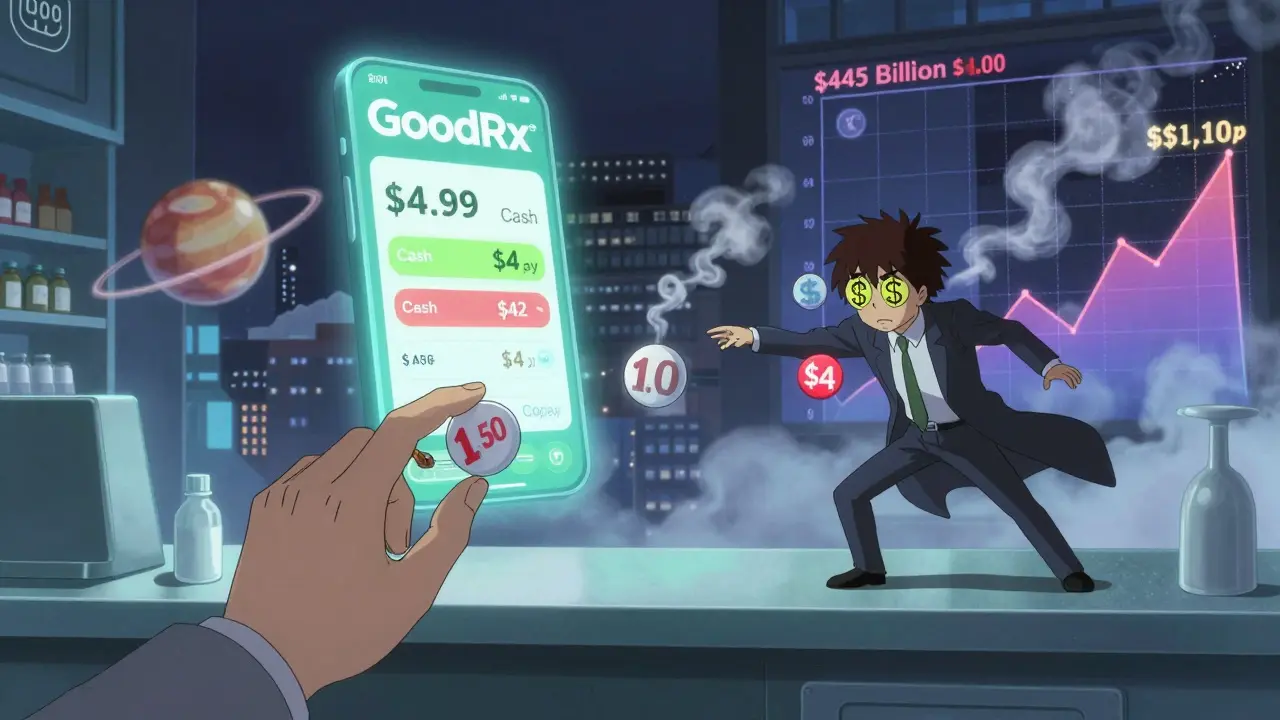
Most people assume their insurance covers generic drugs cheaply. But here’s the truth: bulk buying and tendering is what actually drives those savings - and not all insurers do it the same way. If you’ve ever been shocked by a $50 copay for a generic pill you could buy for $5 cash, you’re not alone. The system isn’t broken. It’s designed that way.
How Generic Drugs Became the Backbone of Drug Savings
In 2023, generics made up over 90% of all prescriptions filled in the U.S., but they accounted for just 17% of total drug spending. That’s because these drugs aren’t just cheaper - they’re dramatically cheaper. When a patent expires on a brand-name drug like Lipitor or Plavix, multiple manufacturers can start making the same pill. Suddenly, competition kicks in. One company offers it for $2. Another drops to $1.50. Then a third comes in at 90 cents. That’s how you go from $300 a month to $9. But here’s the catch: that price drop doesn’t automatically reach the patient. Insurance companies and pharmacy benefit managers (PBMs) control the flow. They use two main tools: formularies and tendering.What Is Tendering? It’s Just Competitive Bidding
Tendering is simple: insurers ask multiple generic drug makers to bid for the right to supply a specific medication to their members. They don’t just pick the cheapest. They look at volume, reliability, and quality. A contract might last two years and require the manufacturer to supply 10 million doses. In exchange, they get guaranteed sales. The savings are real. When the first generic for the heart drug lacosamide hit the market in 2022, it saved $1.2 billion in its first year. Three first generics that year saved over $3 billion combined. That’s not theory - it’s documented by the FDA. But not every insurer plays fair. Some PBMs use a trick called spread pricing. Here’s how it works: the PBM tells the insurer, “We negotiated a price of $4 for this pill.” Then they tell the pharmacy, “We’ll pay you $3.” The $1 difference? That’s their profit. And they often choose higher-cost generics to maximize this spread - even if cheaper options exist.Why Your Copay Is Still High (Even for Generics)
You’d think that since generics cost so little, your copay should be $5 or less. But according to the Association for Accessible Medicines, 78% of Medicare Part D plans still put generics on higher tiers - meaning you pay $20-$40 instead of $0-$10. Why? Because PBMs get rebates from drugmakers based on the list price. The higher the price, the bigger the rebate. So even if a generic costs $1.50 to make, the PBM might list it at $10 to collect a $3 rebate. You’re still stuck with the high copay. The JAMA Network Open study in 2022 found that some “generic” drugs were actually among the most expensive items on a plan’s formulary. The reason? They had fewer competitors. If only one company makes a generic, they can charge more. Insurers who don’t actively monitor their formularies end up paying more - and so do you.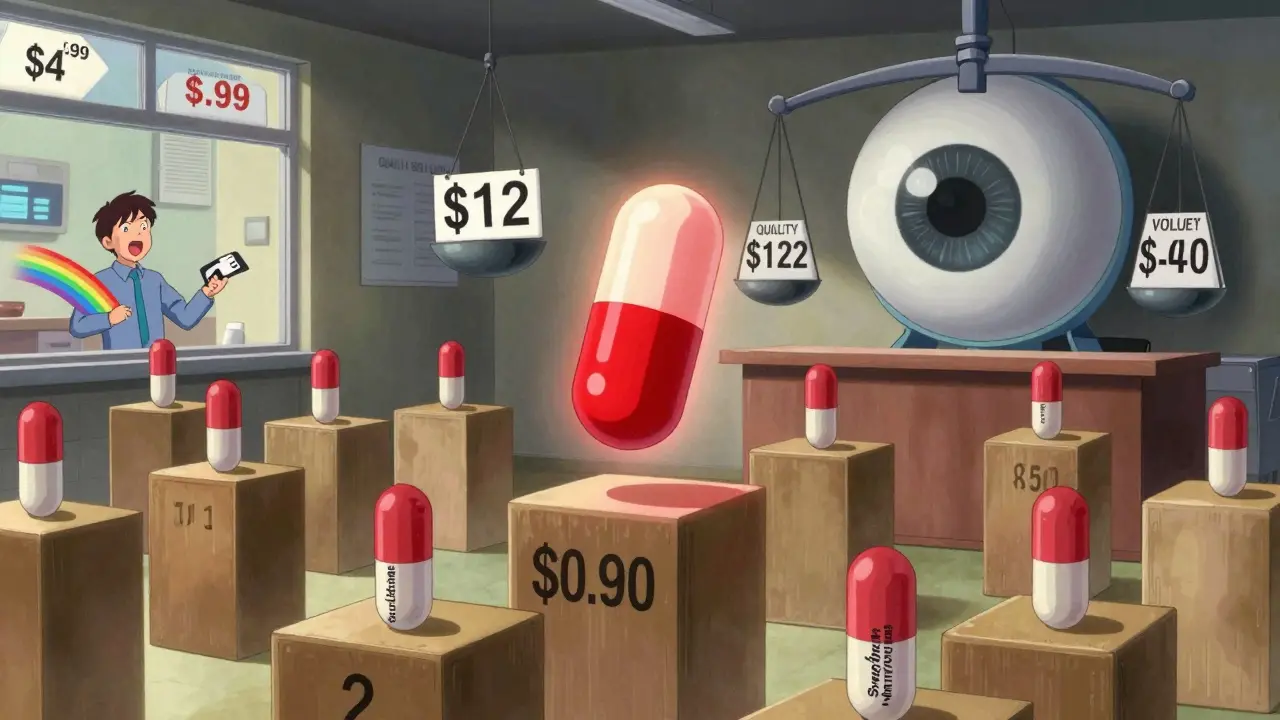
The Cash Option: Why Paying Out of Pocket Beats Insurance
Here’s where things get wild. A 2023 NIH study found that direct-to-consumer pharmacies like Mark Cuban’s Cost Plus Drug Company and GoodRx offer median savings of 76% on expensive generics and 75% on common ones. One man in Texas paid $87 through his insurance for a generic blood pressure pill. He walked into Cost Plus and paid $4.99. Another woman saved $32 a month by ditching her insurance and using a GoodRx coupon. Why does this work? Because there’s no middleman. No PBM. No spread pricing. Just the cost of the drug, a small markup, and a flat fee. These pharmacies make money by volume, not by hidden fees. Even Medicare beneficiaries are catching on. In 2020, 97% of cash payments for prescriptions were for generics. That’s not a coincidence. People know when insurance isn’t helping.What Insurers Are Doing Right
Some insurers are fixing this. Blueberry Pharmacy, for example, offers predictable pricing: $15 a month for blood pressure meds, no surprises. Their Trustpilot rating? 4.7 out of 5. Why? Because they eliminated the PBM middleman and negotiated directly with manufacturers. Navitus Health Solutions, a PBM that works with employers, cut generic drug costs by 22% in 2023 by switching to transparent contracts. They don’t take rebates. They don’t use spread pricing. They charge a flat fee and pass the savings straight to clients. California passed Senate Bill 17 in 2017 requiring PBMs to disclose any price differences over 5%. Other states are following. Transparency is the only real fix.
What You Can Do Today
You don’t need to wait for your insurer to fix this. Here’s what works:- Always check GoodRx or SingleCare before filling a prescription. Compare the cash price to your insurance copay.
- If the cash price is lower, pay cash. Your insurance doesn’t get credit for it, but you save money.
- Ask your pharmacist: “Is there a cheaper generic version?” Sometimes, a different manufacturer makes the same drug for half the price.
- If you’re on Medicare, look into Medicare Part D plans with lower formulary tiers for your meds.
- Ask your employer if they use a transparent PBM. If not, push for it.
The Bigger Picture: Why This Matters
In 2023, generics saved Americans $445 billion. $194 billion of that was for people aged 40 to 64 - your parents, your coworkers, you. But if insurers keep using opaque systems, those savings never reach the people who need them. The FDA approved 1,000 generic drugs in 2022. Each one had the potential to cut costs. But without smart buying, many of them just sit on shelves, priced higher than they should be. The future? More transparency. More competition. More direct deals between insurers and manufacturers. But until then, you have power. Know your options. Shop around. Pay cash when it makes sense. And don’t assume insurance is doing the work for you.Why do some generic drugs cost more than others?
Not all generics are created equal. If only one company makes a generic version of a drug, they can charge more because there’s no competition. Insurers who don’t actively monitor their formularies end up covering these high-cost generics. The key is to check if multiple manufacturers produce the same drug - if they do, the price should be low.
Can I save money by paying cash instead of using insurance?
Yes, often. For many generic drugs, the cash price at pharmacies like Costco, Walmart, or Cost Plus Drug Company is lower than your insurance copay. This is especially true if your plan has high deductibles or uses spread pricing. Always compare prices using apps like GoodRx or SingleCare before deciding how to pay.
What is spread pricing and how does it affect me?
Spread pricing is when a pharmacy benefit manager (PBM) tells your insurer they negotiated a price of $4 for a drug, but pays the pharmacy only $2. The $2 difference is their profit. This creates an incentive for PBMs to choose higher-priced generics - even if cheaper ones exist. You end up paying higher copays, even for drugs that cost pennies to make.
Why do some generic drugs have shortages?
When insurers push prices too low through aggressive tendering, manufacturers can’t profit. If a drug costs $1.50 to make but the contract pays $0.80, the company may stop producing it. That’s what happened with albuterol inhalers in 2020 - prices dropped below production costs, leading to nationwide shortages. It’s a classic case of too much price pressure.
How can I find out if my insurer uses transparent pricing?
Ask your employer or plan administrator: “Do you use a PBM that discloses spread pricing?” If they can’t answer, they likely don’t. Look for plans that mention “direct contracting” or “no rebates.” You can also check if your pharmacy benefits are managed by companies like Navitus, Blueberry, or Cost Plus Drug Company - these are known for transparency.
Oliver Calvert
February 18, 2026 AT 10:11Geoff Forbes
February 20, 2026 AT 06:24Jonathan Ruth
February 21, 2026 AT 09:06Haley DeWitt
February 21, 2026 AT 19:41John Haberstroh
February 23, 2026 AT 19:12Logan Hawker
February 25, 2026 AT 18:47James Lloyd
February 27, 2026 AT 06:40Digital Raju Yadav
March 1, 2026 AT 00:31